

Research Associates

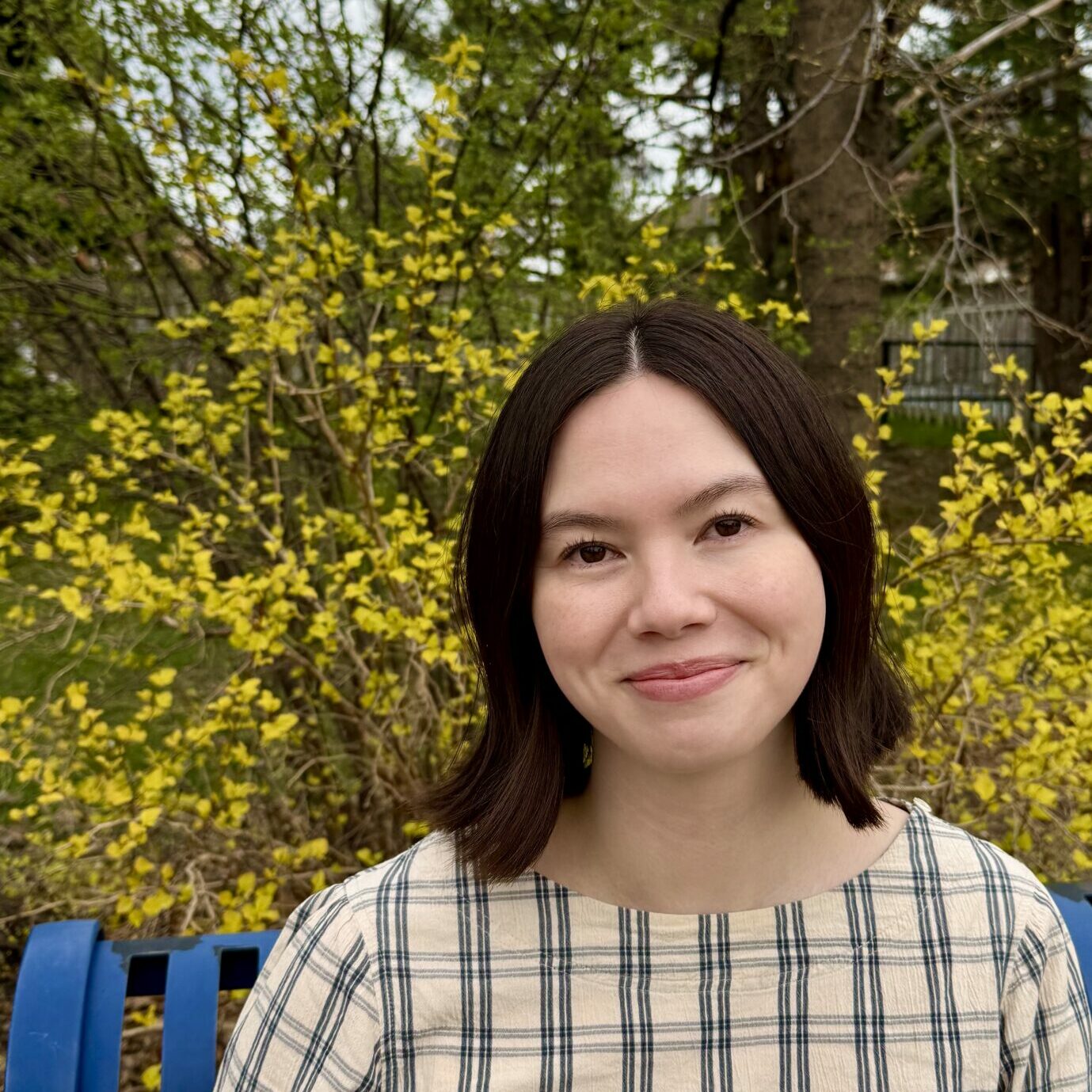
Anna BK headshot

Anna Butler-Koo

Anna Butler-Koo

Anna Butler-Koo (she/her) is a settler scholar and PhD Candidate in the Department of English at the University of Toronto. Anna grew up on unceded Coast Salish territory and now lives and studies on the traditional lands of the Wendat Nation, the Seneca, and the Mississaugas of the Credit. Her research engages theories of diaspora, decolonial and anti-racist ecocriticism, and Asian North American literatures. Anna’s dissertation considers how recent Asian diasporic texts set on Turtle Island articulate environmental crisis. Her work asks what more ethical modes of Indigenous-diasporic relation might look like on stolen lands that are also at risk.

{"ARInfo":{"IsUseAR":false},"Version":"1.0.0","MakeupInfo":{"IsUseMakeup":false},"FaceliftInfo":{"IsChangeEyeLift":false,"IsChangeFacelift":false,"IsChangePostureLift":false,"IsChangeNose":false,"IsChangeFaceChin":false,"IsChangeMouth":false,"IsChangeThinFace":false},"BeautyInfo":{"SwitchMedicatedAcne":false,"IsAIBeauty":false,"IsBrightEyes":false,"IsSharpen":false,"IsOldBeauty":false,"IsReduceBlackEyes":false},"HandlerInfo":{"AppName":2},"FilterInfo":{"IsUseFilter":false}}

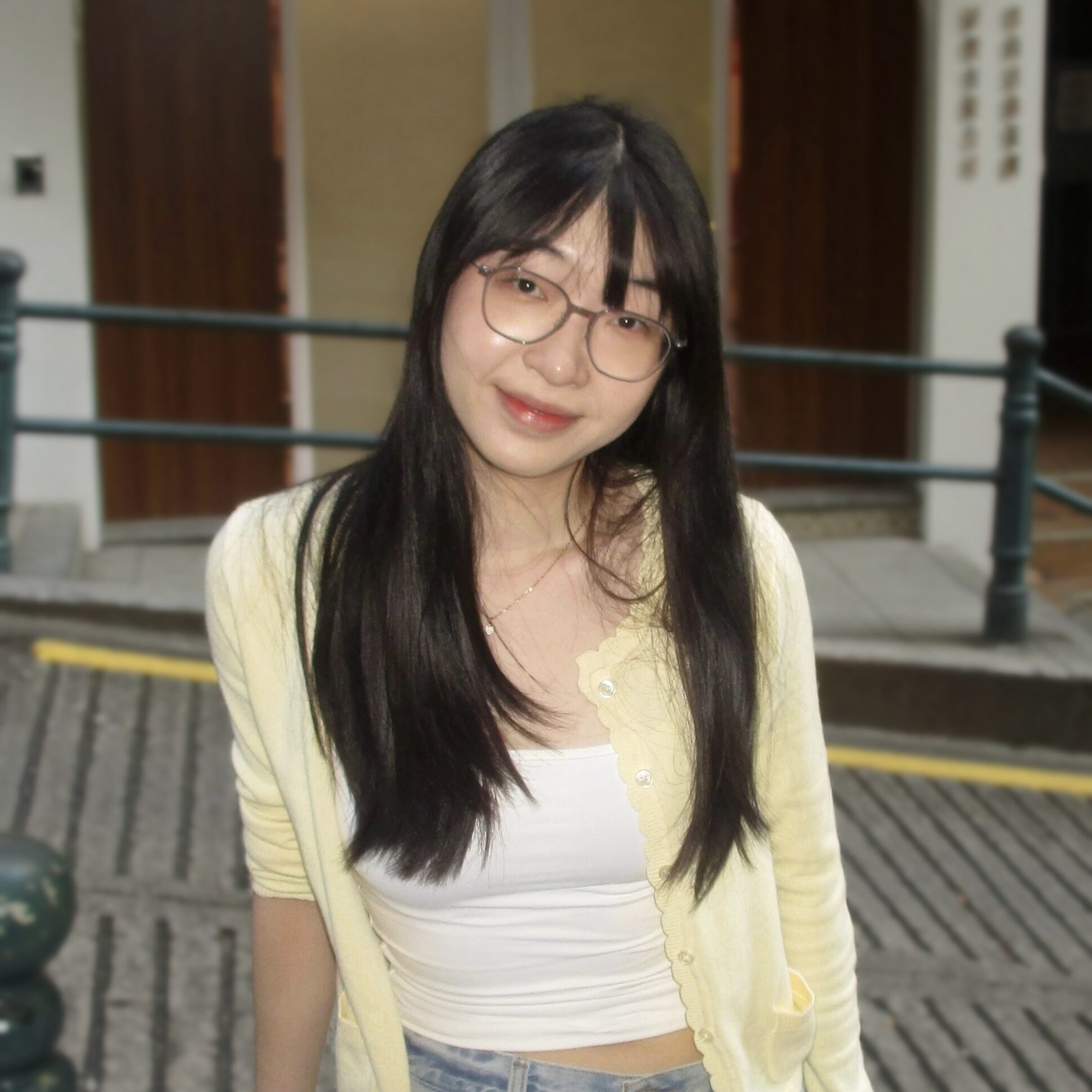
Dora Lu

Dora Lu

Dora Lu is an undergraduate student at the University of Toronto’s Rotman Commerce program, specializing in accounting along with minors in economics and Canadian studies. Coming from a Chinese Canadian background, her studies have led her to think more closely about identity, belonging, and the place of Asian Canadian experiences within Canadian social and academic life.

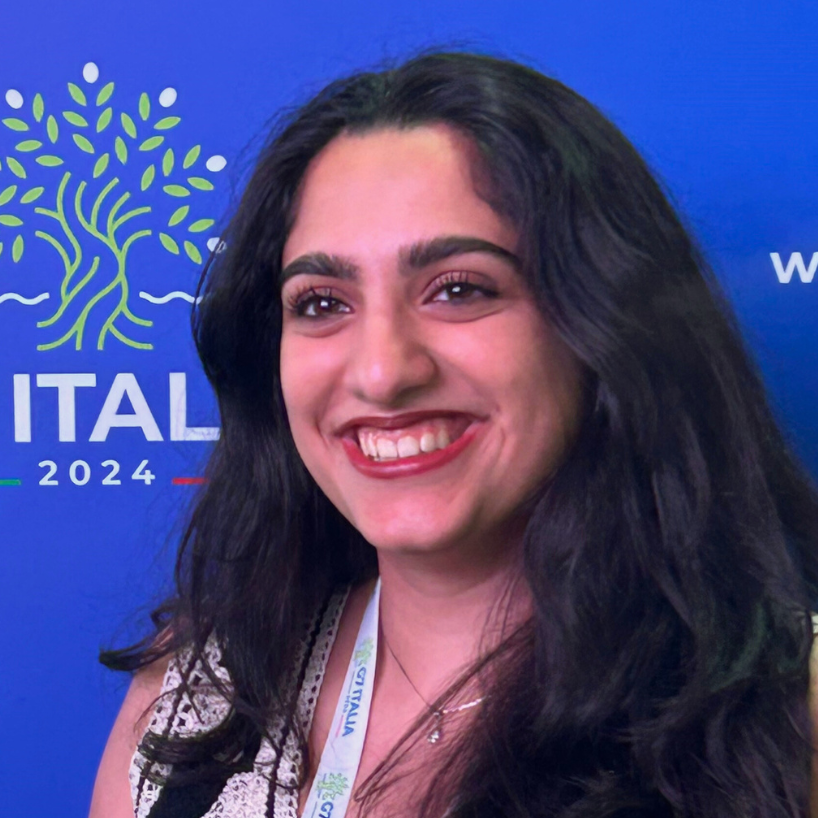
Tisya Pic

Tisya Raina

Tisya Raina

Tisya Raina is a J.D. candidate at the University of Western Ontario. She has worked with the Asia Pacific Foundation of Canada, the NATO Association of Canada’s Centre for Disinformation Studies, and the United Nations High Commissioner for Refugees. Intersecting international law, data governance, and privacy law, her research focuses on developing local and international legal frameworks to address information harms while safeguarding fundamental rights, particularly examining how misinformation shapes Asian-Canadian experiences, public discourse, and Asia–Canada relations. She has presented her work at the 2023 G20 New Delhi Summit and the 2024 G7 Apulia Summit, contributing to discussions on digital governance and global policy challenges. She holds an Honours Bachelor of Arts from the University of Toronto in Peace, Conflict and Justice, Contemporary Asian Studies, and Canadian Studies.

{"ARInfo":{"IsUseAR":false},"Version":"1.0.0","MakeupInfo":{"IsUseMakeup":false},"FaceliftInfo":{"IsChangeEyeLift":false,"IsChangeFacelift":false,"IsChangePostureLift":false,"IsChangeNose":false,"IsChangeFaceChin":false,"IsChangeMouth":false,"IsChangeThinFace":false},"BeautyInfo":{"SwitchMedicatedAcne":false,"IsAIBeauty":false,"IsBrightEyes":false,"IsSharpen":false,"IsOldBeauty":false,"IsReduceBlackEyes":false},"HandlerInfo":{"AppName":2},"FilterInfo":{"IsUseFilter":false}}

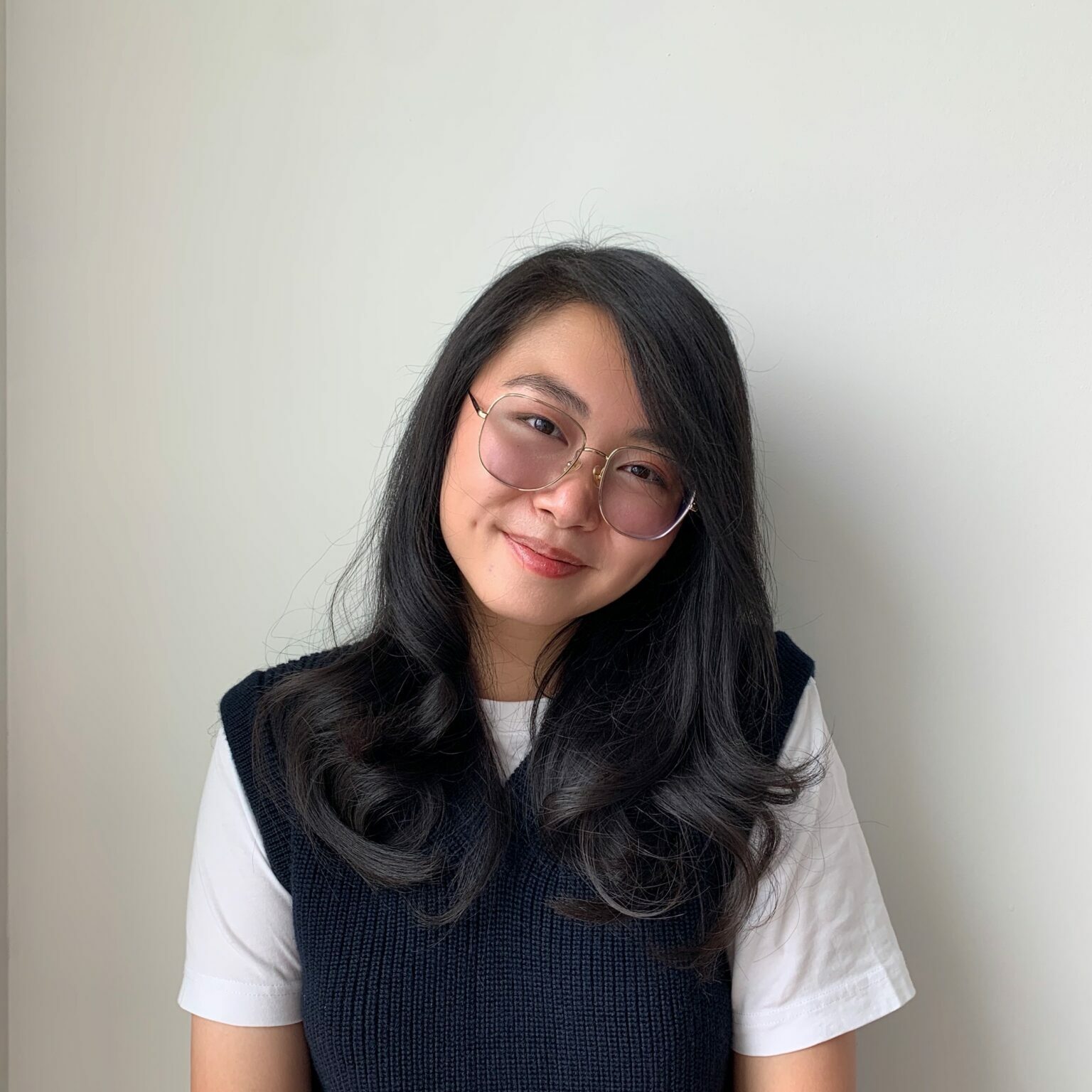
Sophie Feng

Sophie Feng

Sophie Feng is an FRQSC Postdoctoral Fellow in Arts, Literature, and Culture at the Université de Sherbrooke. She recently completed her SSHRC-funded dissertation on spatial poetics and (non)personhood in literary representations of trauma and vulnerability in English and French at the Centre for Comparative Literature, University of Toronto. A settler of Hui descent from Tiohtià:ke, also known as Montreal, she teaches in the French Department and the Literature and Critical Theory program at the University of Toronto. Her recent work can be found in Shelter in Text: Essays on Dwelling and Refuge (2025, U of Alberta P) and Beyond Resilience in the Arts, Humanities and Social Sciences (2026, Routledge).

About ISA

The Interdisciplinary Space Asiancy project takes up the historical, literary, spatial and community-oriented aspects of Asian Canadian Studies to query what the field can be in the present moment, both inside and outside the university. While, as Donald Goellnicht has argued, Asian Canadian Studies has been slow to consolidate as a discipline in the academy, though one might argue that it has a longstanding history outside the academy, in Asian Canadian communities, through the cultural and political production of entities like the Asian Canadian Writers' Workshop, Rungh Magazine, Desh Pardesh, Yellow Peril: Reconsidered, Chinese Canadian Cultural Productions, the National Association of Japanese Canadians, Chinese Canadian National Council, the Chinatown Land Trust, and many more. But now that it has made its entry into the academy, how can we understand its relationship to the traditional disciplines, and more specifically to Asian Canadian scholarship done in disciplinary contexts. How can all of these contexts be brought into conversation with one another?

Further, what kind of container is the nation now? If both state and race nationalisms are sometimes useful yet often dangerous, and always limited in scope, and if they run the risk of overdetermining the subject, how else might Asianness be spatialized or otherwise formed? Further what can the relationship be between Asian Canadian Studies and Asian American Studies? What can the relationship be between Asian Canadian Studies and Asian Studies? How is the space of Asian Canada related to the Asian Pacific? Further still, what ought our relationships be to Blackness and Indigeneity, and specifically to questions of land, property and sovereignty? Even within its own framing, "Asian" has historically meant different things-- sometimes Chinese and Japanese, sometimes East Asian, sometimes South Asian, sometimes pan-Asian, sometimes "minor" Asian. Without forgetting its history, how might it be most usefully deployed in the present?

The Interdisciplinary Space Asiancy also takes a cue from the late Roy Miki, who was interested in the possibilities of Asian Canadian subjectivity without overdetermining how such a subject might speak, write or act. Born in internment, and thus rooted in his own experience of dispossession, Miki understands the necessity of grappling with history, both one's own and all that one inherits, including state histories and histories of relation with others. In the essay "Asiancy: Making Space for Asian Canadian Writing," he is specifically interested in what it is that might constitute an Asian Canadian consciousness, and the relationship of consciousness to language, especially, for Miki, poetic language. Silence, or non-language, also still matters. Quoting the feminist Quebecoise poet Gail Scott, he asks: "What if the surfacing consciousness finds void instead of code?"

With care and concern for the coming generations, the project is also interested in the future.  It intentionally gestures to speculative fiction, detective fiction and other genre fiction. Considering the work of Hiromi Goto, Saleema Nawaaz, Premee Mohamed, Lydia Kwa, Yilin Wang and many others, the Interdisciplinary Space Agency recognizes the productivity of the imagination for thinking about where we might go and how we might form next.

Directed by Dr. Larissa Lai, the current Richard Charles Lee Chair in Chinese Canadian Studies, based at University College at the University Toronto, the Interdisciplinary Space Asiancy serves to enable critical and creative discussion and production through an ongoing series of events and podcasts.